
One QR Code for Patient Safety and Product Recalls
One code, two critical journeys: How I designed a system to manage million-pound recalls and build consumer trust from a single medicine bottle.
- Role
- Lead Product Designer & Strategist
- Timeframe
- 2 Months
- Platform
- Dual-Journey Connected Platform (Physical-to-Digital)
- Design role
- Sole designer
- Worked with
- Client stakeholders · Directors · Regulatory and quality
Challenge
Turning a high-level "connected packaging" strategy into working software: one system that had to serve two very different journeys at once, helping consumers verify a medicine was safe, while giving Bells Healthcare real-time supply chain and recall data behind the scenes.
Outcome
Delivered a high-fidelity platform architecture and compliance framework to executive stakeholders, who responded with strong interest in taking the concept further.
What I did
I was the core product designer translating a high-level "connected packaging" strategy into a tangible, dual-journey system for Bells Healthcare. I owned the end-to-end architecture, reimagining physical packaging touchpoints while building out the dual-journey UX and UI logic. The result turned a physical product into a platform for consumer drug safety verification and real-time supply chain visibility, demonstrating clear commercial and technical value to stakeholders.
Skills used
Gallery
The Challenge
In pharma, the cost of a recall is immense, financially and in trust. Traditional recalls are broad and imprecise, forcing a company to pull an entire product line when only one specific batch might actually be affected.
That same root problem shows up on both sides of the supply chain. For consumers, the information on a physical medicine bottle is static and unscalable: tiny print, one language, no way to give real-time safety updates. For the supply chain team, scanning an item on a handheld scanner offers little more, minimal on-screen information at the exact moment a worker needs a clear, trustworthy answer.
One system needed to solve both: giving Bells Healthcare's supply chain staff a genuinely useful scanning experience, and giving consumers a source of safety information they could actually trust.
The Process
The high-level strategy was to apply existing connected technology to the pharma industry. My job was to define the product scope and experience, starting with the physical object itself.
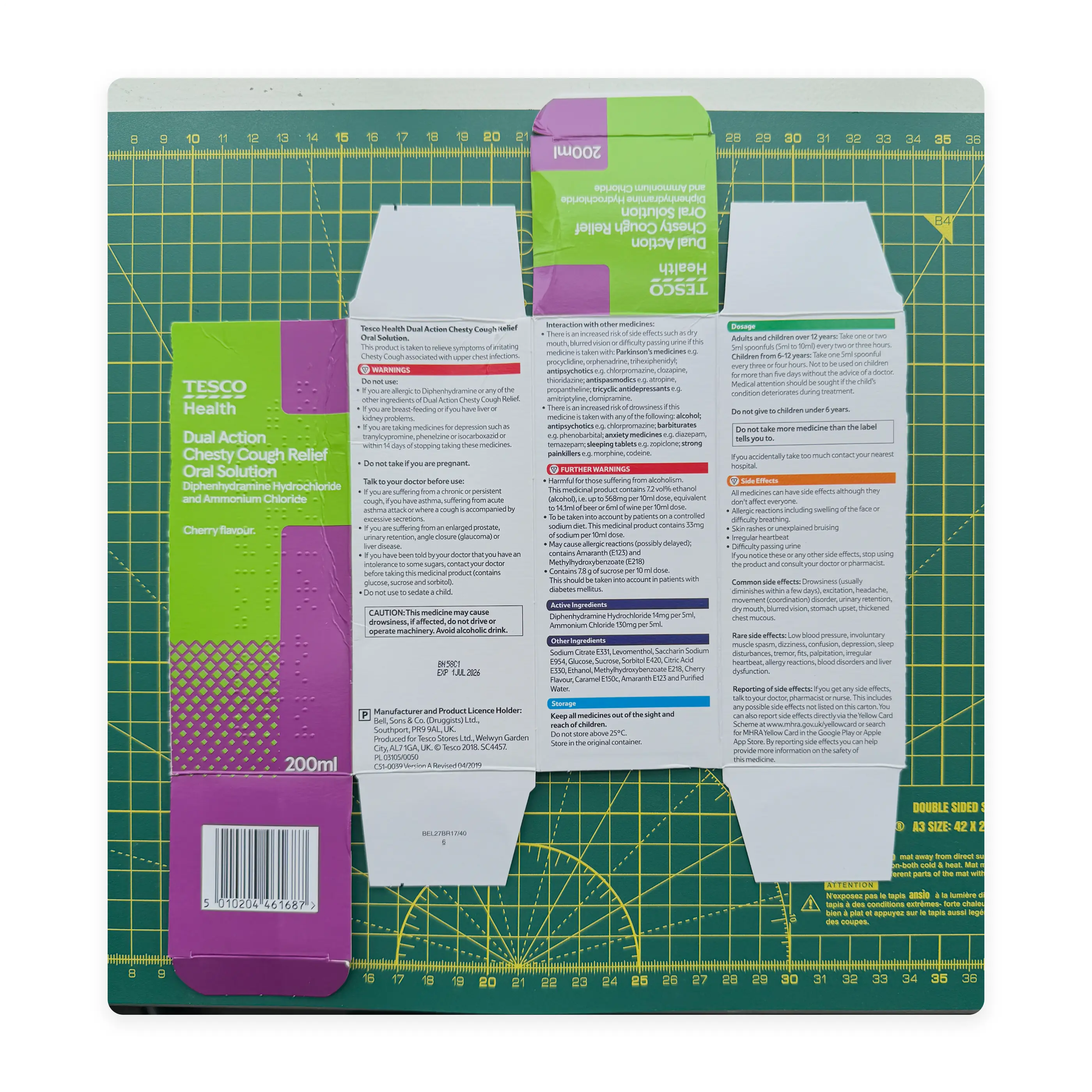
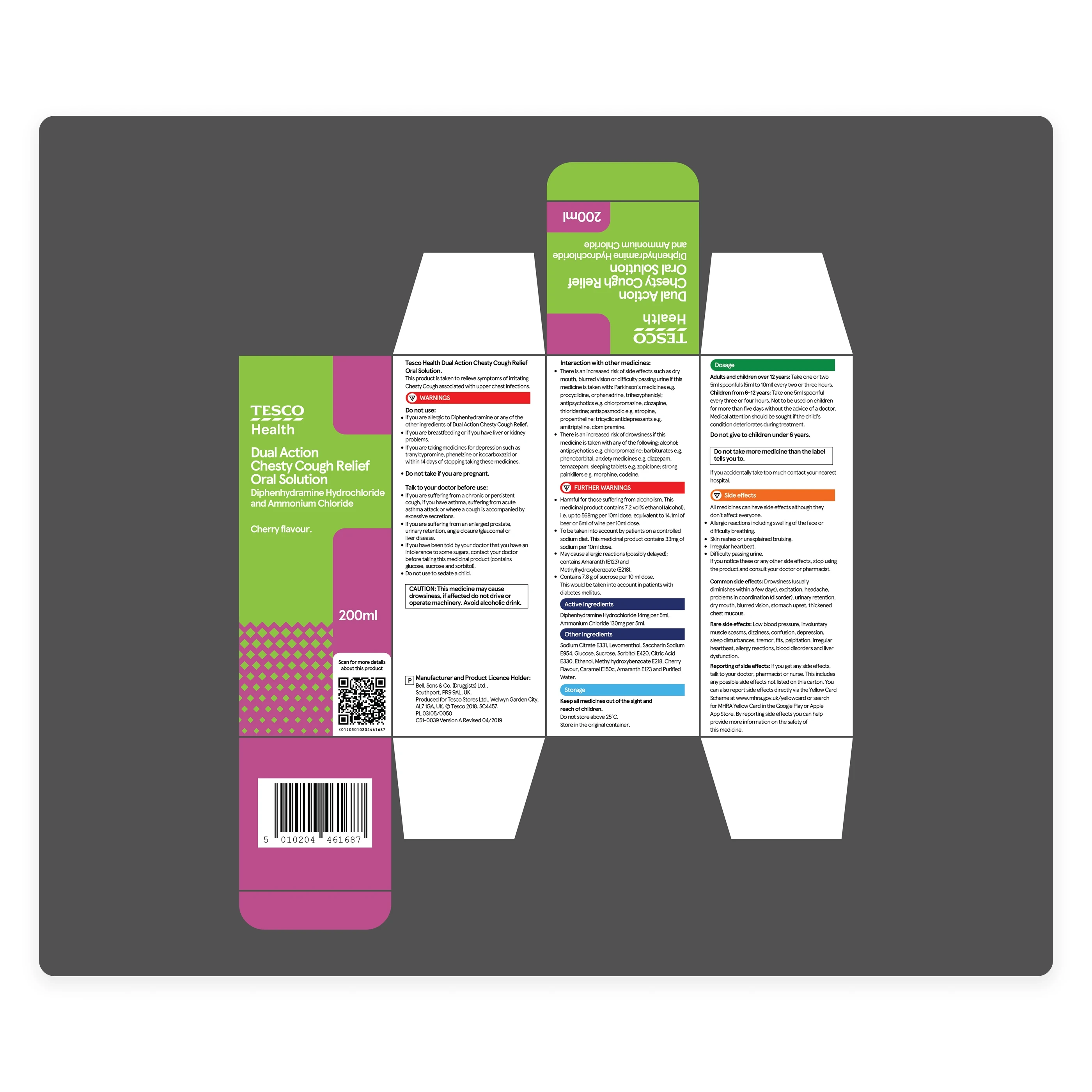
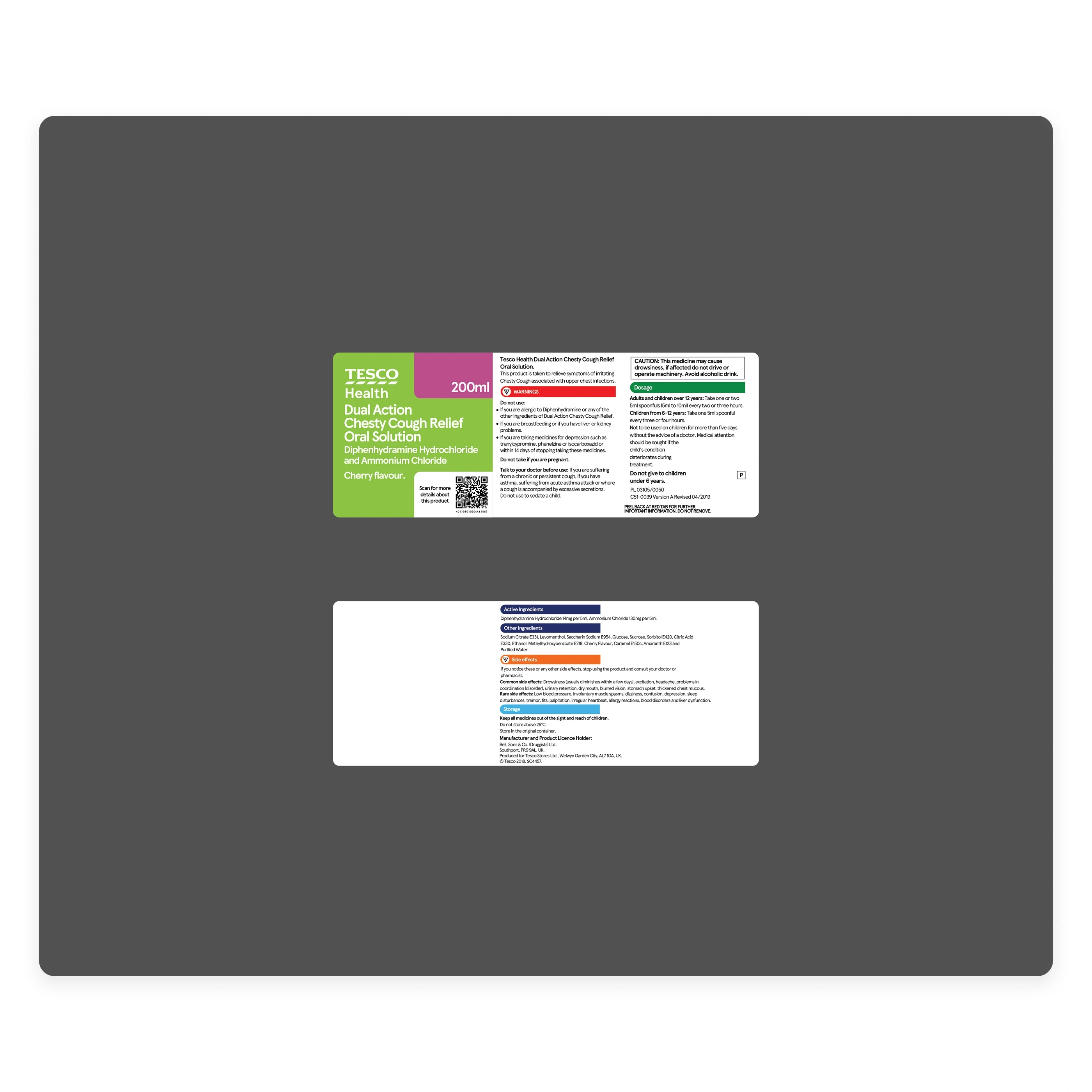
My process began with hands-on research. I looked into Bells' historical recalls, then went to a Tesco and bought a bottle of their children's cough medicine. I deconstructed the physical packaging to understand its constraints and information hierarchy, crucial groundwork. I then redesigned the packaging and label to show exactly how and where a serialised QR code could be integrated, without disrupting the existing, legally-required information.
That physical redesign led to my core digital insight: this product had two distinct user groups with critically different needs.
The Consumer: At home, needing trust, clarity, and peace of mind.
The Supply Chain: In the field, often scanning on limited handheld devices, needing speed, precise data, and a clear answer in the moment, not just "more information" in the abstract.
My entire digital strategy was built around this "One Code, Two Journeys" concept, growing directly out of the redesigned physical package.
The Solution
I architected a cohesive ecosystem where a single scan of the QR code (from my package redesign) delivers two entirely different experiences
Journey 1: The Consumer (B2C) User Journey (Building Trust & Safety)
The Pain Point
Tiny print, confusing dosage, and the fear of "is this safe for my child?"
The Solution
A scan opens a clean, mobile-first experience. To build immediate trust, I designed several features:
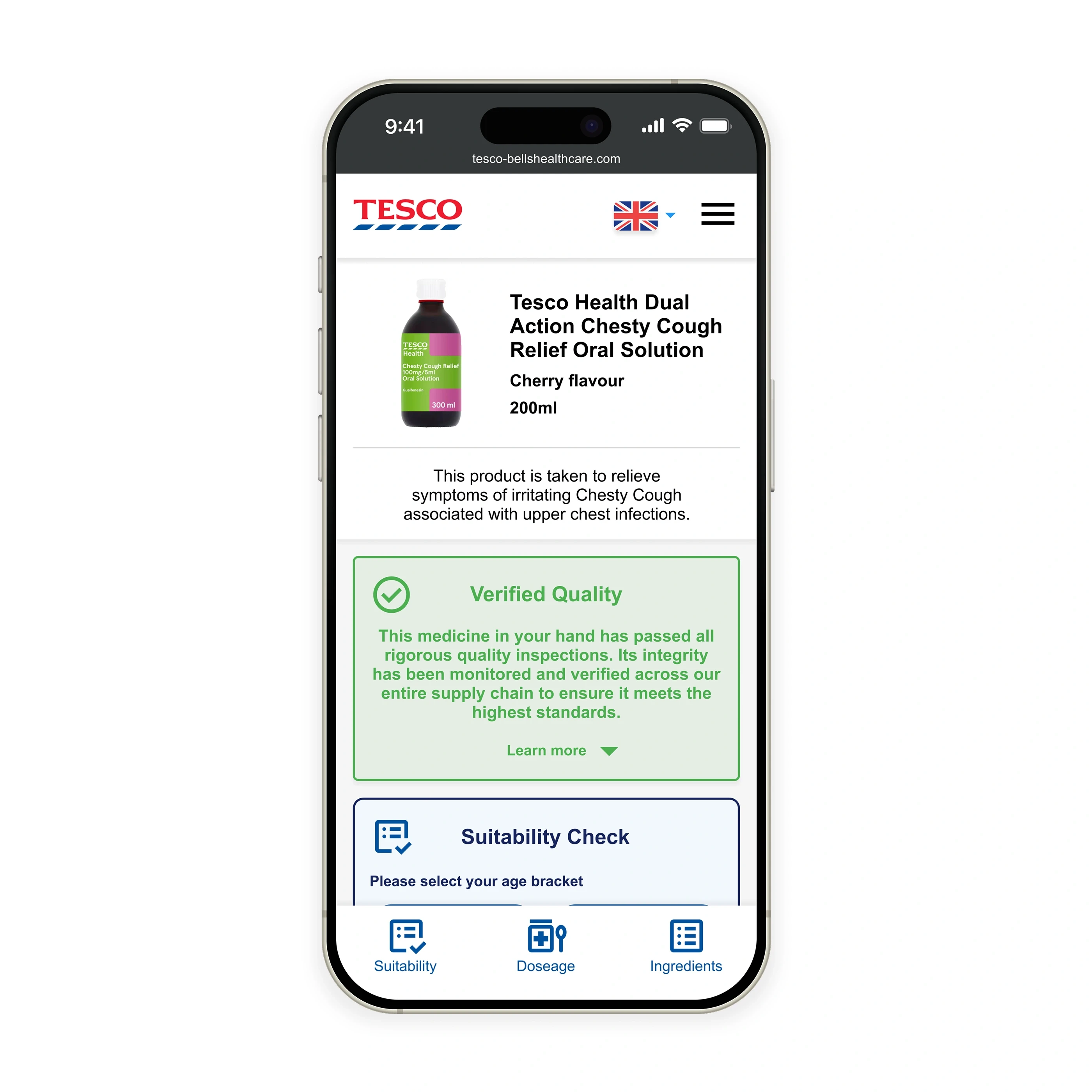
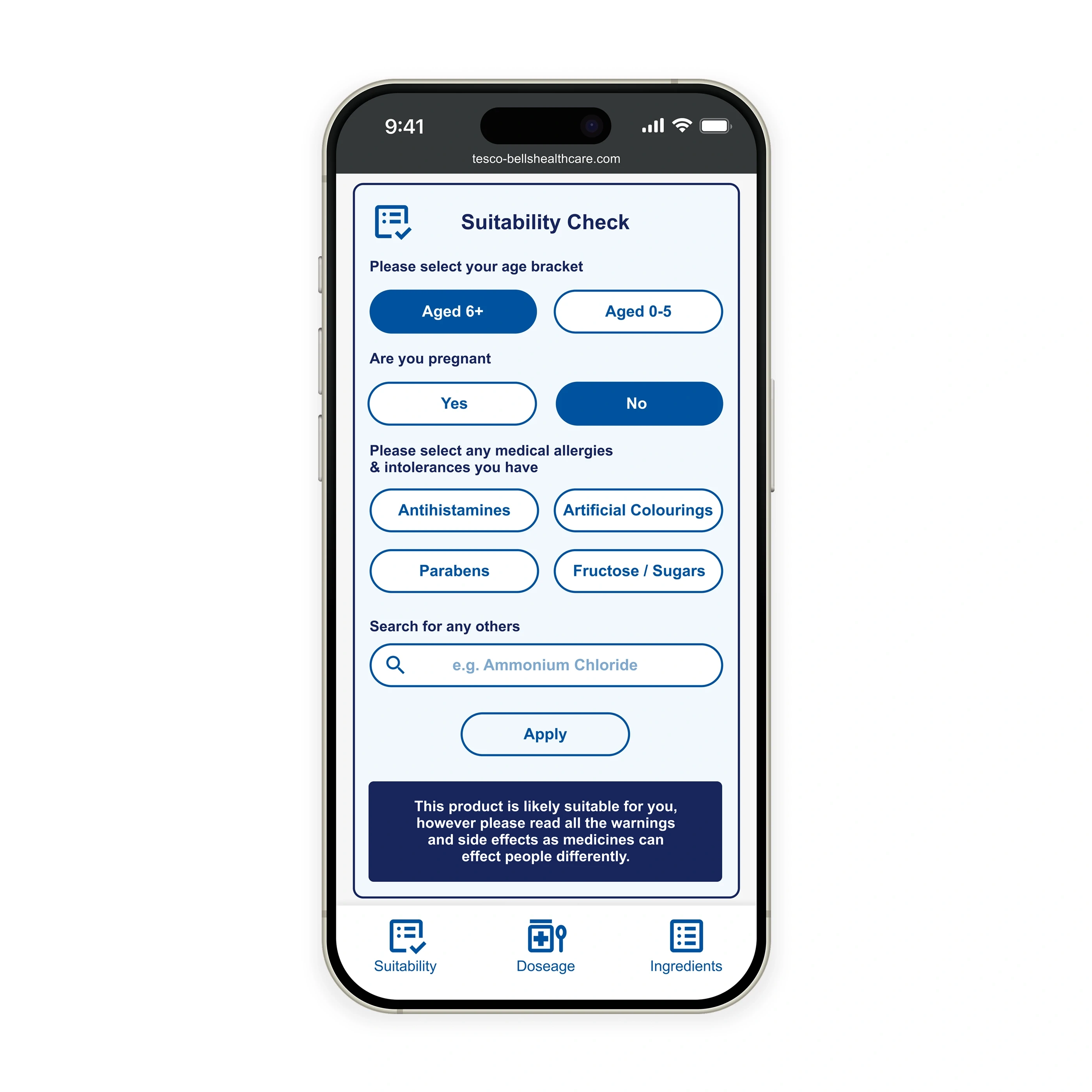
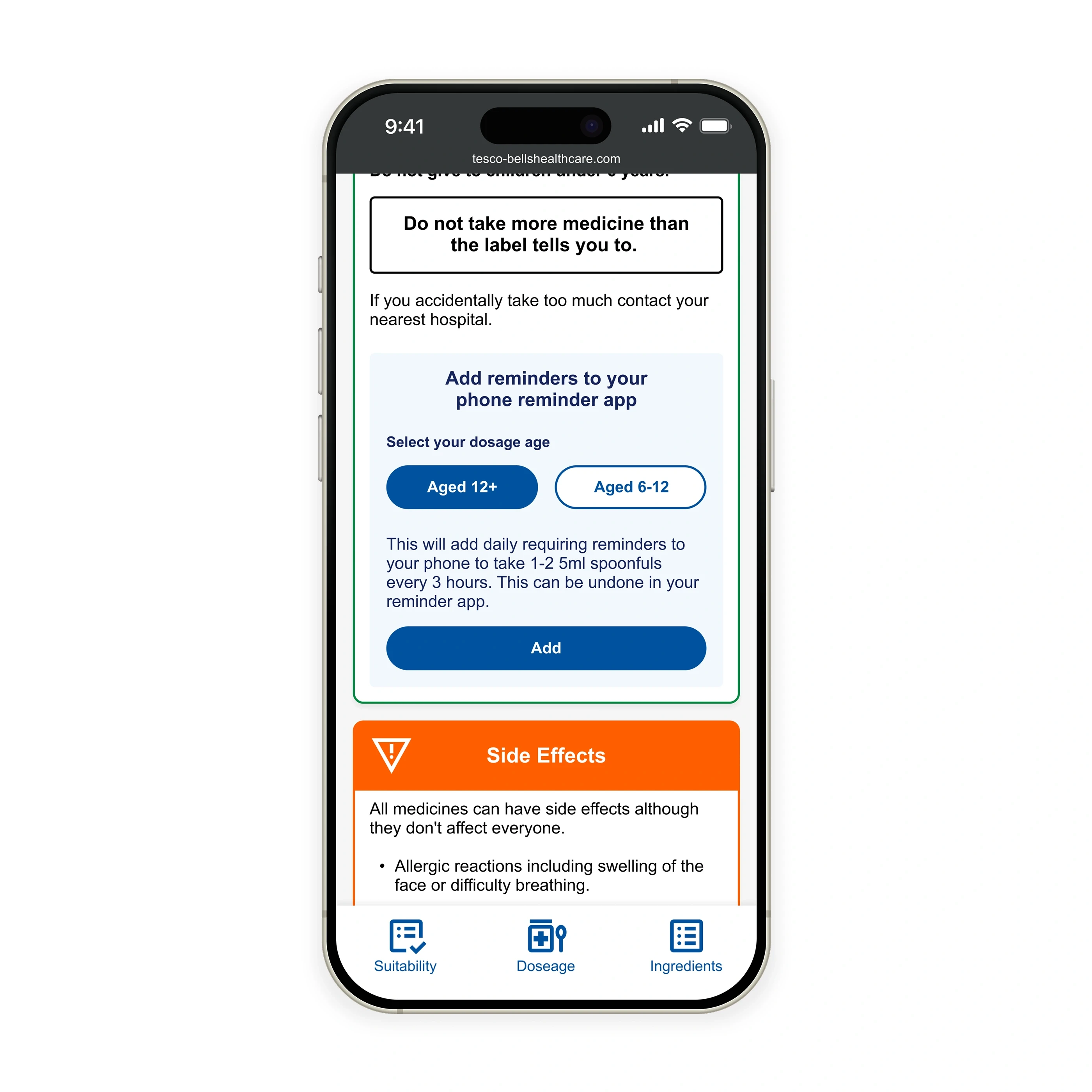
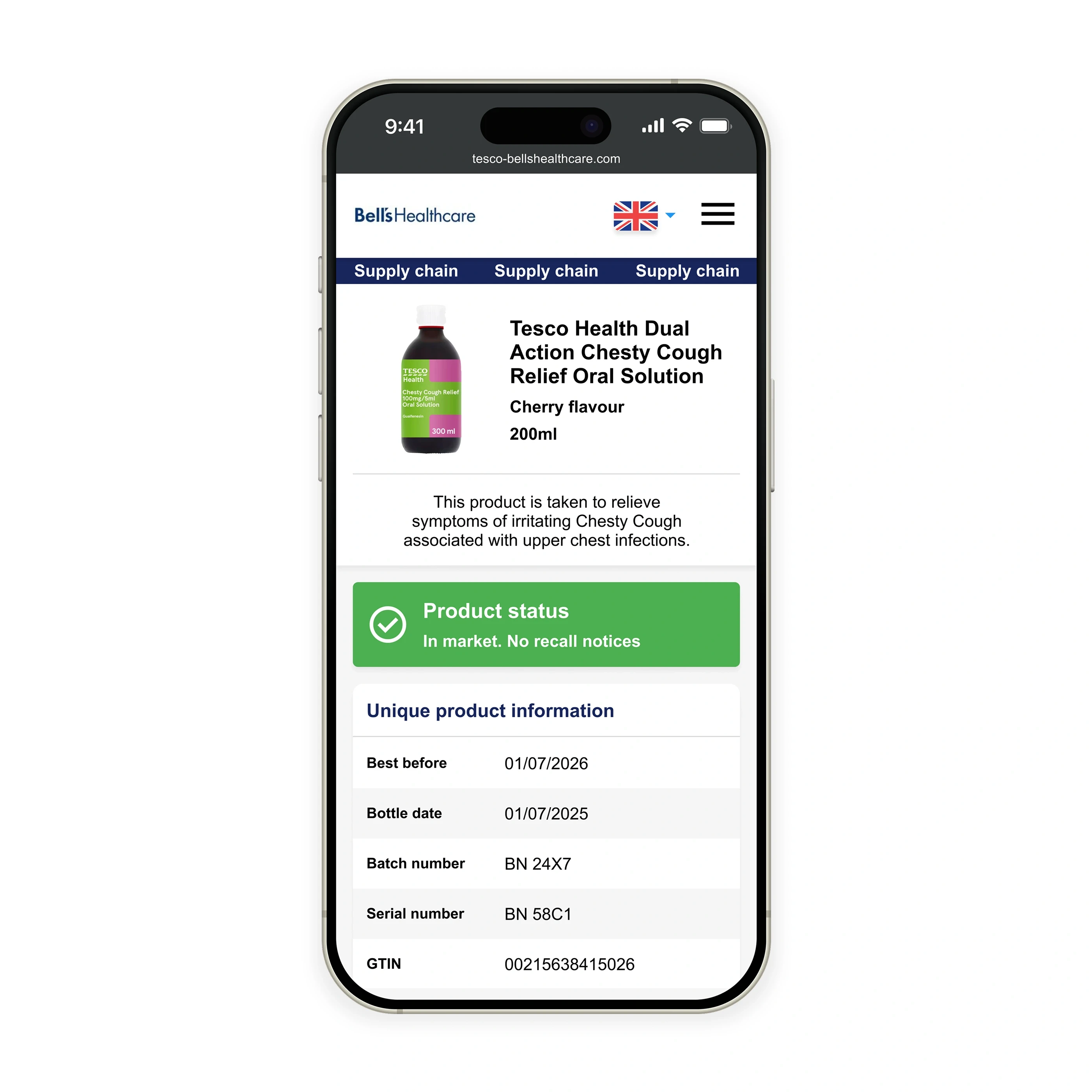
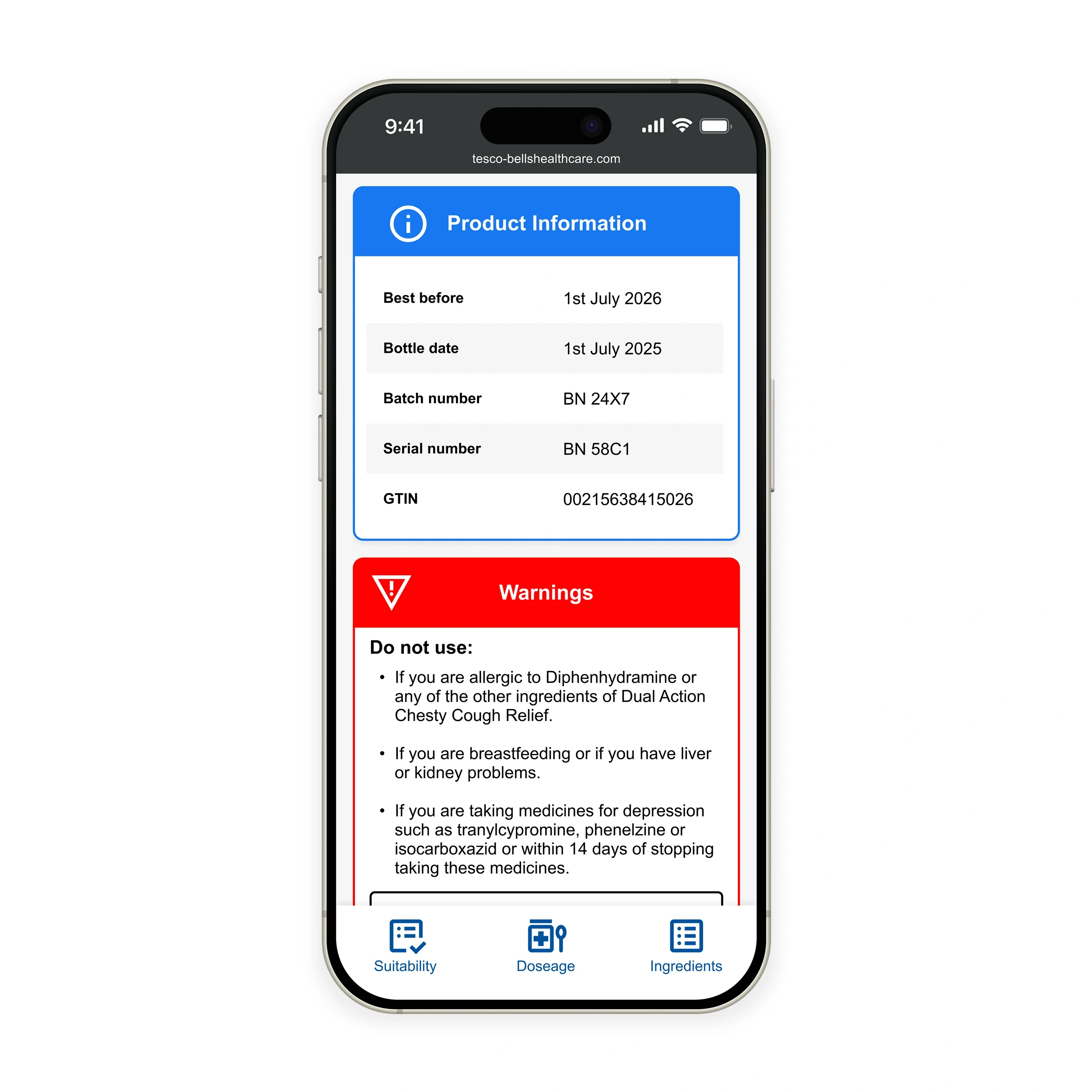
Accessible Information: It provides clear dosage instructions (with video/audio options), ingredient lists, and an interactive "Suitability Check" to ensure the medicine is right for them.
Product Verification: A "Verified Quality" stamp confirms the product's safe journey, building confidence.
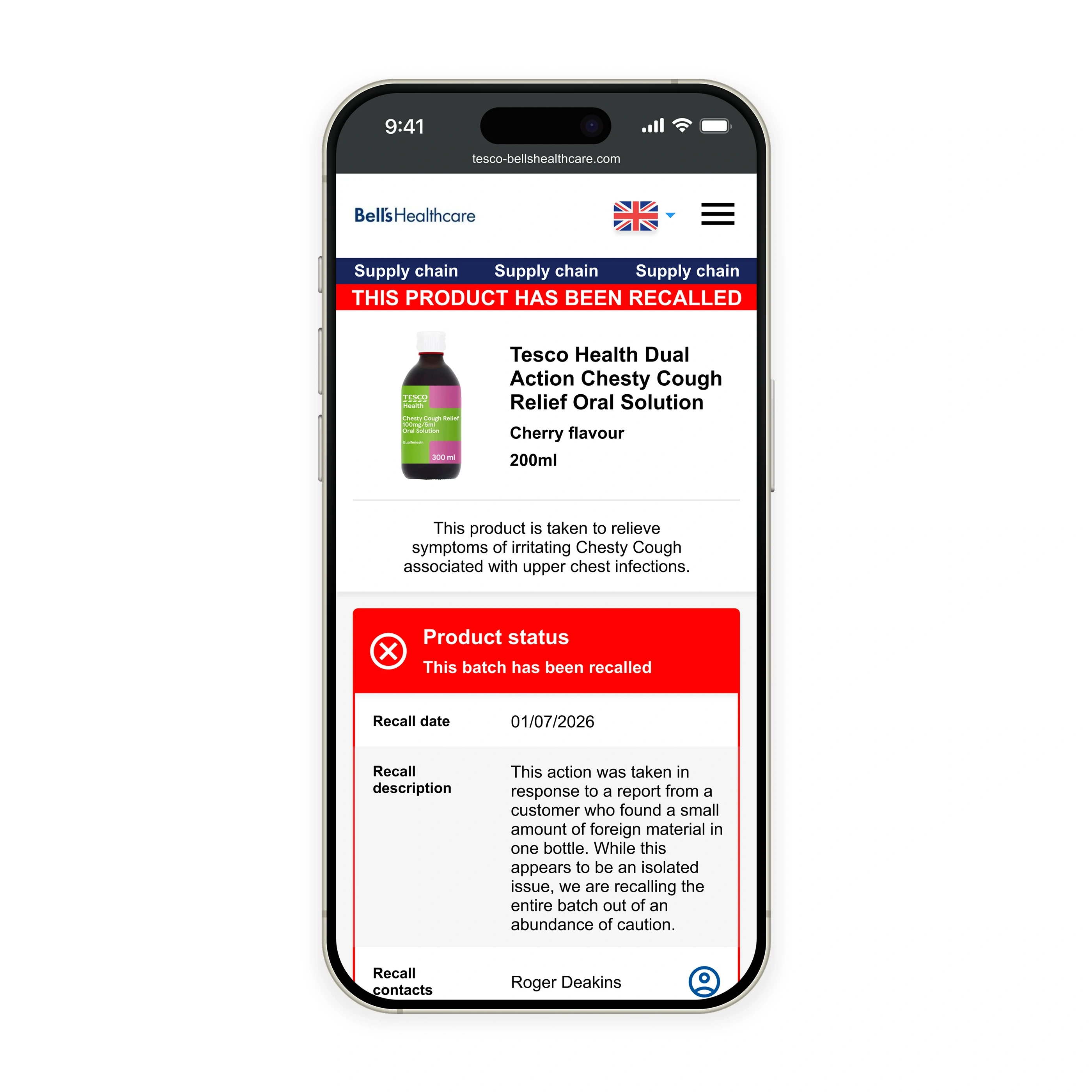
The Recall State: If a recalled product is scanned, the system instantly serves a clear "DO NOT USE" warning. It explains why and provides simple steps for a refund, turning consumer fear into a clear, trust-building action.
Journey 2: The Enterprise (B2B) User Journey (Precision & Control)
The Problem
Chaotic, expensive recalls where entire, perfectly safe product lines are pulled because one batch might be affected.
The Solution
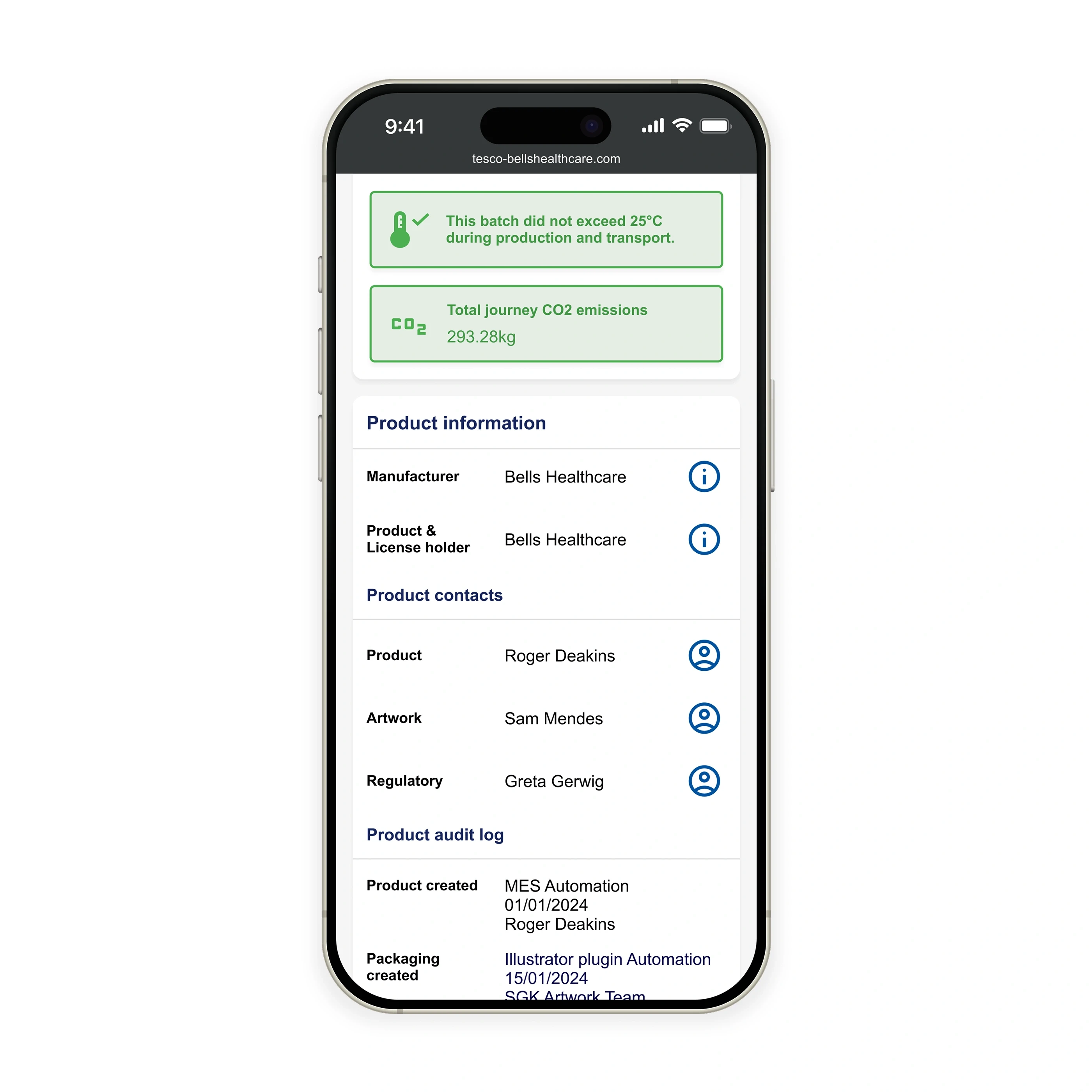
The same QR code, when scanned by a supply chain partner, unlocks a secure, data-rich interface I designed for operational efficiency.
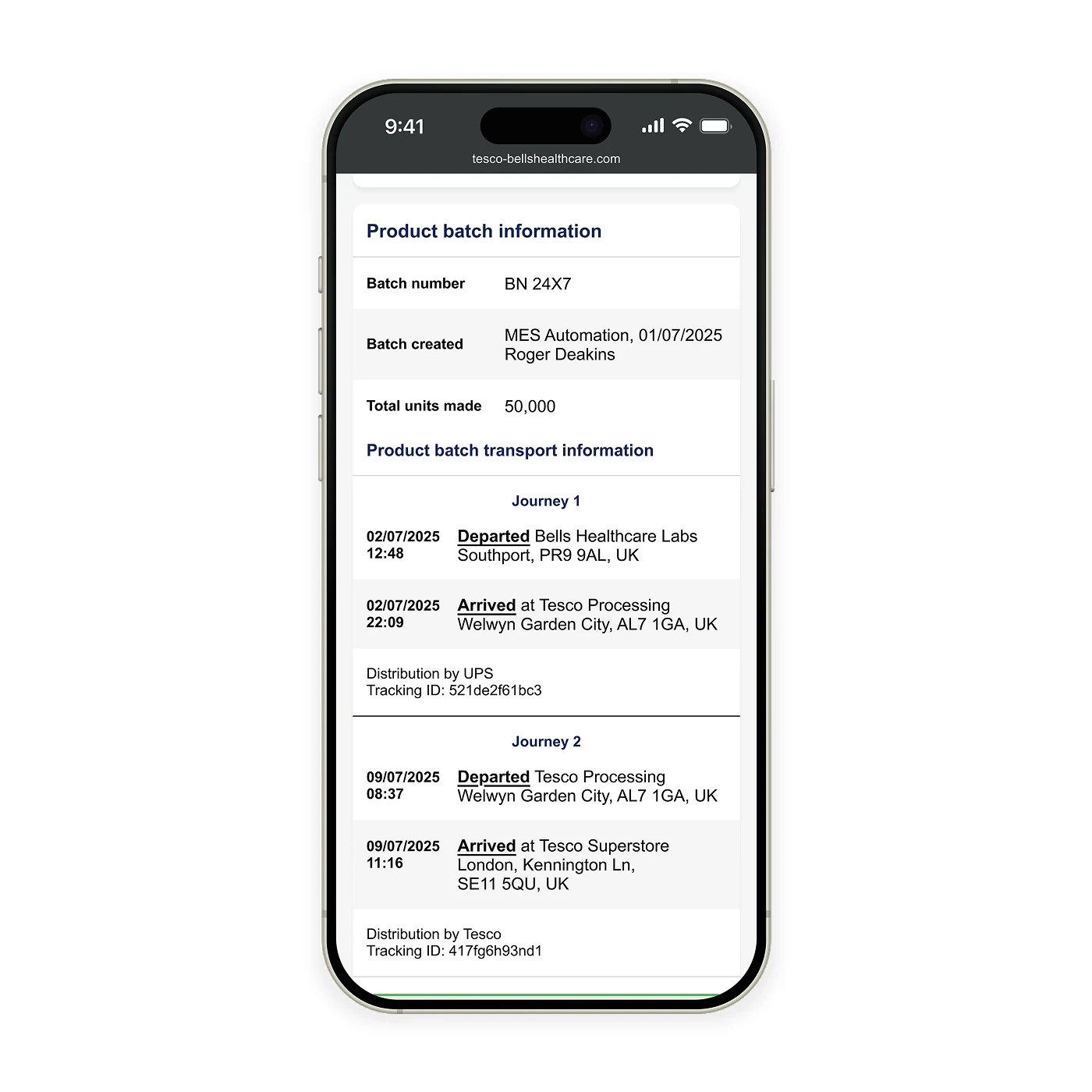
In the Normal State: It displays the product's entire life story: its unique serial number, its complete journey through the supply chain, and its full audit log for unprecedented traceability.
In the Recall State: This is the million-pound feature. A partner can scan a specific bottle and get an instant, definitive answer: "This specific batch has been recalled. Quarantine it." This turns a chaotic, company-wide crisis into a precise, targeted, and low-cost operation.
The Outcome
The final concept, including the packaging redesign and high-fidelity digital prototype, was presented to the Bells Healthcare team, who responded with strong interest in the proposal. The project is currently on hold while a key account manager is on long-term leave, but the pitch clearly demonstrated the business value of turning standard packaging into an intelligent, connected platform, one that could protect consumers and take the cost out of recalls at the same time.